
7 Amazing Facts About Udon Noodles Every Food Blogger Should Know
Meta Description: Discover everything about udon noodles, including their history, types, cooking methods, nutritional benefits, and delicious recipes. A complete SEO guide for food bloggers.
What Are Udon Noodles?
Udon noodles are thick Japanese noodles made primarily from:
- Wheat flour
- Water
- Salt
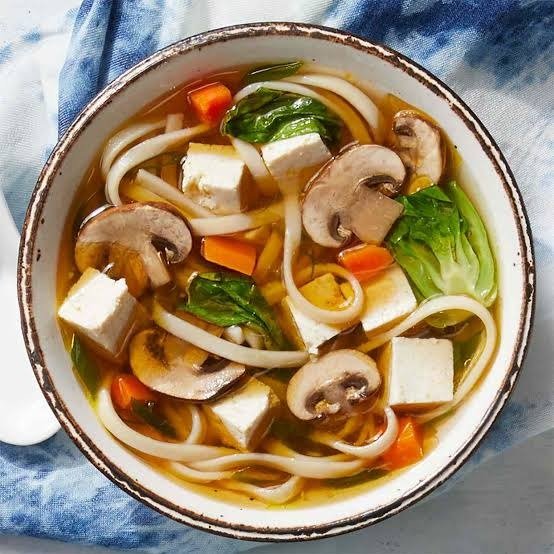
Unlike ramen, udon noodles are larger, softer, and have a pleasantly chewy texture. They are commonly served in flavorful broths, stir-fried dishes, and cold noodle meals.
Because of their mild taste, they pair well with vegetables, seafood, chicken, beef, tofu, and various Japanese seasonings.
The History of Udon Noodles
7 Amazing Facts About Udon Noodles has been part of Japanese cuisine for centuries. Historians believe wheat noodles were introduced from China and later adapted into the thick noodles now known as udon.
Today, Japan has numerous regional udon varieties, each with unique preparation methods and flavors.
Popular regions include:
- Sanuki Udon
- Inaniwa Udon
- Mizusawa Udon
Each offers a slightly different texture and eating experience.
Different Types of Udon Noodles
Fresh Udon
Fresh udon has the softest texture and cooks quickly.
Best For
- Homemade soups
- Stir-fries
- Traditional Japanese dishes
Frozen Udon
Many chefs recommend frozen udon because it maintains excellent texture after cooking.
Advantages include:
- Quick preparation
- Restaurant-quality chewiness
- Long shelf life
Dried Udon
Dried noodles are convenient for storage and ideal for pantry staples.
Benefits include:
- Affordable
- Easy to store
- Available worldwide
Nutritional Value of Udon Noodles
A typical serving contains:
| Nutrient | Approximate Amount |
|---|---|
| Calories | 200–250 |
| Carbohydrates | 40–50g |
| Protein | 6–8g |
| Fat | Less than 2g |
| Fiber | 2–3g |
7 Amazing Facts About Udon Noodles provide a good source of energy and can be part of a balanced meal when combined with vegetables and lean protein.
Popular Udon Dishes
Food bloggers often feature these classic recipes:
Kake Udon
A simple noodle soup served in a light broth.
Tempura Udon
Served with crispy shrimp or vegetable tempura.
Curry Udon
A rich Japanese curry poured over thick noodles.
Yaki Udon
A stir-fried noodle dish with vegetables, soy sauce, and your choice of protein.
Cold Udon
Perfect for summer and served with dipping sauce.
How to Cook Udon Noodles Perfectly
Follow these easy steps:
- Boil plenty of water.
- Add the noodles.
- Cook according to package instructions.
- Stir occasionally.
- Drain well.
- Rinse if serving cold.
- Add to soup or stir-fry immediately.
Avoid overcooking, as this reduces their signature chewy texture.
Best Ingredients to Pair with Udon Noodles
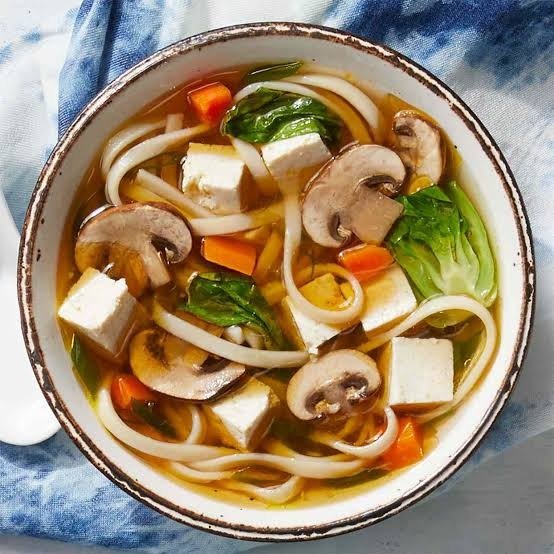
7 Amazing Facts About Udon Noodles pair wonderfully with:
- Mushrooms
- Bok choy
- Spinach
- Green onions
- Tofu
- Chicken
- Beef
- Shrimp
- Soft-boiled eggs
- Sesame seeds
- Seaweed
These ingredients create colorful, nutritious, and visually appealing dishes for blog photography.
Health Benefits of Udon Noodles
While udon noodles are primarily a source of carbohydrates, they offer several benefits:
- Quick source of energy
- Low in fat
- Easy to digest
- Versatile for healthy recipes
- Suitable for vegetarian meals when paired with plant-based ingredients
For added nutrition, include fresh vegetables, lean proteins, and nutrient-rich broths.
Tips for Food Bloggers
If you’re creating content around udon noodles, consider these best practices:
- Use natural lighting for food photography.
- Showcase close-up shots to highlight the noodles’ texture.
- Include step-by-step cooking images.
- Share recipe variations for different dietary needs.
- Optimize images with descriptive alt text using the keyword “udon noodles.”
Common Mistakes to Avoid
Many beginners make these mistakes:
- Overcooking the noodles
- Using too little water
- Skipping seasoning
- Overloading the dish with ingredients
- Forgetting to serve immediately after cooking
Keeping the recipe simple often results in the best flavor and presentation.
Why Udon Noodles Are So Popular
Their versatility is one of the biggest reasons for their global popularity. They work well in:
- Soups
- Stir-fries
- Cold dishes
- Vegetarian meals
- Seafood recipes
- Comfort food recipes
This flexibility makes them a favorite ingredient for both home cooks and professional chefs.
Frequently Asked Questions
Are udon noodles healthy?
Yes. They are low in fat and can be part of a balanced diet when paired with vegetables and protein.
Are udon noodles gluten-free?
No. Traditional udon noodles are made from wheat flour and contain gluten.
Can you freeze cooked udon noodles?
Yes. Store them in airtight containers for up to one month.
What’s the difference between udon and ramen?
Udon noodles are thicker and chewier, while ramen noodles are thinner and often made with alkaline water, giving them a firmer texture.
Can I stir-fry udon noodles?
Absolutely. Yaki Udon is one of Japan’s most popular stir-fried noodle dishes.
Conclusion
7 Amazing Facts About Udon Noodles are a delicious and versatile staple of Japanese cuisine. Their thick, chewy texture and ability to pair with a wide range of ingredients make them ideal for soups, stir-fries, and cold dishes. Whether you’re creating recipes, writing restaurant reviews, or sharing cooking tips, udon noodles provide endless inspiration for engaging content.
By understanding their history, varieties, nutritional value, and cooking techniques, food bloggers can create informative, SEO-friendly articles that appeal to readers and rank well in search engines.
