
Introduction
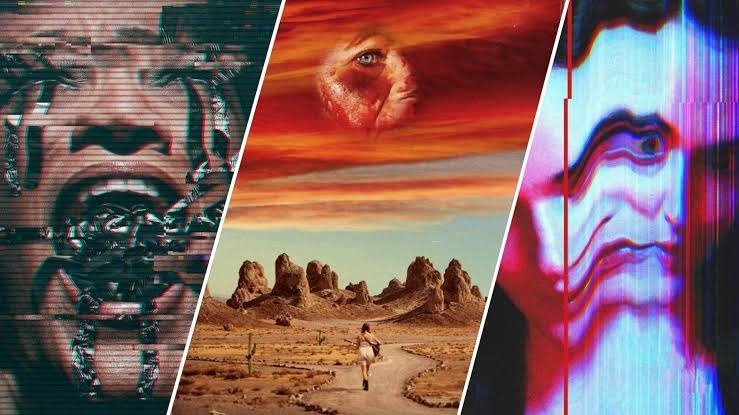
Analog horror has become one of the most influential horror genres on the internet, captivating millions of viewers with its unsettling atmosphere, retro aesthetics, and psychological storytelling. Unlike traditional horror films that rely on jump scares or graphic violence, creates fear through distorted VHS recordings, emergency broadcasts, mysterious television programs, and eerie public service announcements.
From YouTube series to independent web projects, has evolved into a creative movement that blends nostalgia with suspense. This guide explores what is, where it came from, its defining characteristics, popular examples, and why it continues to attract audiences worldwide.
What Is Analog Horror?
Analog is a subgenre of horror fiction that presents frightening stories through the appearance of old analog media. These stories often imitate VHS tapes, CRT television broadcasts, educational videos, surveillance footage, radio transmissions, or emergency alerts.
The genre uses visual imperfections such as:
- VHS tracking errors
- Static interference
- Screen distortion
- Audio glitches
- Low-resolution video
- Flickering images
- Broadcast interruptions
These effects create the illusion that viewers are watching authentic recordings from decades ago, making the experience feel disturbingly realistic.
The Origins of Analog Horror
Although found-footage horror has existed for decades, emerged primarily through online platforms in the late 2010s.
Creators began producing fictional VHS recordings that looked like forgotten television broadcasts or government archives. The combination of internet storytelling and retro technology gave rise to an entirely new horror format.
The genre gained momentum because creators could produce compelling stories with relatively simple editing techniques while allowing audiences to piece together hidden narratives.
Characteristics of Analog Horror
Several elements define analog horror and distinguish it from other horror genres.
1. VHS and Retro Visual Style
Old videotape effects are central to analog horror. Grainy visuals, color distortion, tape damage, and tracking errors create authenticity.
2. Psychological Horror
Instead of relying on gore, analog builds fear through uncertainty, paranoia, and imagination.
3. Hidden Lore
Most series reveal their stories gradually. Viewers uncover clues through symbols, distorted messages, and recurring characters.
4. Emergency Broadcasts
Many stories imitate emergency alert systems, weather warnings, government announcements, or educational programming.
5. Slow-Building Suspense
Rather than immediate scares, analog horror creates tension over time, rewarding attentive viewers.
Why Analog Horror Is So Popular
Several factors have contributed to the rapid rise of analog .
Nostalgia
Many viewers grew up with VHS tapes and CRT televisions. Familiar technology becomes unsettling when transformed into horror.
Interactive Storytelling
Fans enjoy solving mysteries hidden within videos, creating theories and discussions across online communities.
Accessibility
Independent creators can produce analog horror without Hollywood budgets, making the genre highly creative and diverse.
Internet Culture
Platforms like YouTube and social media encourage serialized storytelling, allowing creators to release episodes over time while building engaged audiences.
Common Themes in Analog Horror
Analog frequently explores topics such as:
- Government conspiracies
- Alternate realities
- Paranormal entities
- Alien invasions
- Religious symbolism
- Lost television broadcasts
- Missing persons
- Artificial intelligence
- Mind control
- Identity replacement
These recurring themes contribute to the genre’s mysterious and unsettling atmosphere.
How Analog Horror Creates Fear
Analog horror succeeds because it rarely explains everything.
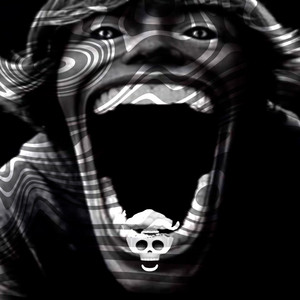
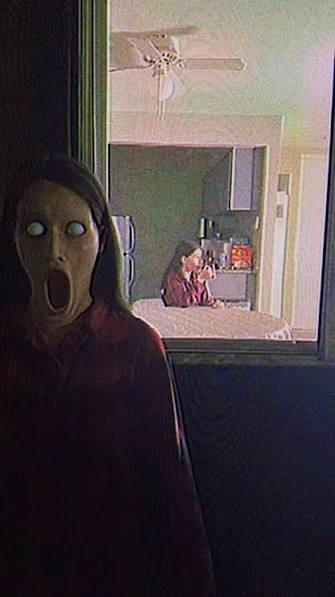
Instead of showing monsters directly, creators leave gaps in the story, encouraging viewers to imagine what happened. Distorted faces, cryptic messages, corrupted recordings, and incomplete information create psychological discomfort that often lingers long after viewing.
This technique allows audiences to become active participants in solving the mystery.
Popular Analog Horror Series
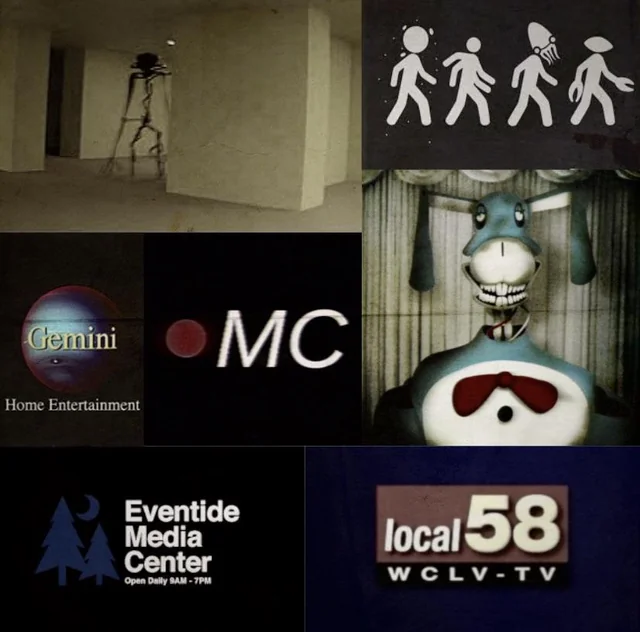
Several independent creators have helped define the genre through highly influential series. Some of the best-known examples include:
- Local58
- The Mandela Catalogue
- Gemini Home Entertainment
- The Walten Files
- Monument Mythos
- Midwest Angelica
- Eventide Media Center
Each series offers a unique interpretation of while maintaining the genre’s signature retro aesthetic.
Analog Horror vs. Found Footage
Although the two genres share similarities, they are not identical.
| Analog Horror | Found Footage |
|---|---|
| Focuses on old media formats | Focuses on discovered recordings |
| Uses VHS aesthetics | Uses handheld camera realism |
| Often episodic | Usually presented as a complete story |
| Heavy emphasis on mystery | Greater emphasis on direct events |
| Includes fake broadcasts | Usually follows characters directly |
Why Content Marketers Should Pay Attention
Analog horror demonstrates the power of storytelling and audience engagement. Its success offers valuable lessons for marketers:
- Strong visual branding can make content instantly recognizable.
- Serialized content encourages repeat visits and long-term engagement.
- Mystery and curiosity increase audience retention.
- Community discussions amplify organic reach.
- Niche storytelling can build highly loyal audiences.
These principles can inspire more engaging marketing campaigns across blogs, videos, and social media.
SEO Tips for Writing About Analog Horror
If you’re creating content around this topic, consider naturally incorporating related keywords such as:
- analog horror series
- analog horror explained
- psychological horror
- VHS horror
- found footage horror
- internet horror
- horror storytelling
- YouTube horror series
- retro horror
Using these related terms can help improve topical relevance without overusing the primary keyword.
Frequently Asked Questions
What is analog horror?
Analog horror is a horror genre that tells fictional stories through old-style media such as VHS tapes, television broadcasts, surveillance footage, and emergency alerts.
Why is analog horror so scary?
It creates fear through psychological suspense, realistic presentation, incomplete storytelling, and disturbing visual effects rather than relying on graphic violence.
Is analog based on true stories?
No. Most projects are fictional, though they are intentionally designed to resemble authentic archival recordings.
Where can I watch analog horror?
Many series are available on video-sharing platforms, where independent creators publish episodic content for audiences worldwide.
What makes analog horror different from traditional horror?
Traditional horror often centers on direct action, monsters, or supernatural events, whilebuilds tension through atmosphere, mystery, retro media, and subtle storytelling.
Conclusion
Analog horror has transformed internet storytelling by combining nostalgic visuals with psychological suspense and layered narratives. Its distinctive use of analog media, hidden lore, and immersive world-building has made it one of the fastest-growing horror genres online.
For content marketers, the genre also offers valuable insights into audience engagement, episodic storytelling, and the power of curiosity-driven content. As interest continues to grow, creating well-optimized, informative articles aboutcan attract readers seeking both entertainment and in-depth analysis.
