
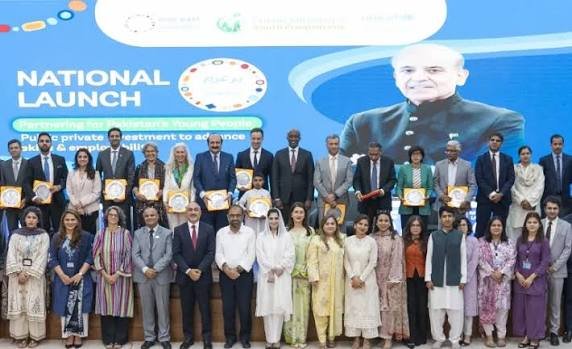
People are the most important part of every society, community, organization, and culture. From the moment human beings began living together, they have depended on one another for safety, knowledge, companionship, cooperation, and progress. Although every person is unique, share many basic needs, emotions, hopes, and challenges. Understanding e means understanding not only how individuals think and behave, but also how they communicate, build relationships, form communities, and influence the world around them.
What Does the Word “People” Mean?
The word generally refers to human beings collectively. It can describe a group of individuals living in a particular place, sharing a culture, working toward a common goal, or simply interacting with one another.
People can be described in many different ways. They may belong to different families, communities, professions, cultures, and age groups. They may speak different languages and have different traditions and lifestyles. Despite these differences, people are connected by many universal experiences, including friendship, family, learning, work, celebration, disappointment, success, and the desire for a meaningful life.
The Importance of People in Society
No society can exist without people. Communities are created when individuals cooperate and develop shared systems, traditions, rules, and values. Schools, businesses, hospitals, governments, markets, and cultural institutions all depend on
People contribute to society in countless ways. Teachers educate students, doctors care for patients, engineers develop technology, farmers produce food, workers provide essential services, artists inspire audiences, and entrepreneurs create businesses and opportunities. Even small acts of kindness and cooperation can have a positive effect on a community.
A successful society therefore depends not only on economic development but also on the quality of relationships among its
People and Human Relationships
Relationships are a major part of human life. Family relationships often provide the first experience of love, care, responsibility, and trust. Friendships can provide companionship, encouragement, and emotional support. Professional relationships allow people to cooperate and accomplish goals.
Good relationships require communication and understanding. Listening carefully, respecting differences, keeping promises, and showing empathy can help develop stronger connections. On the other hand, poor communication, dishonesty, and lack of respect can create misunderstandings and conflict.
In today’s busy world, maintaining meaningful relationships can sometimes be difficult. However, spending time with others and showing genuine interest in their lives remains essential for personal happiness and social well-being.
The Diversity of People
One of the most interesting characteristics of humanity is diversity. People have different personalities, talents, backgrounds, experiences, opinions, and ambitions. This diversity makes communities richer and allows to learn from one another.
Differences should not automatically become reasons for division. When respect one another, diversity can encourage creativity and new ideas. A workplace withwho have different experiences, for example, may discover solutions that a group with identical perspectives might overlook.
Respecting people means recognizing their dignity even when their opinions or lifestyles are different from our own.
How People Communicate
Communication is one of the foundations of human civilization. People communicate through spoken language, writing, facial expressions, gestures, images, and increasingly through digital technology.
Modern communication has changed dramatically because of smartphones, social media, email, video calls, and online communities. can now communicate with someone on the other side of the world within seconds.
However, technology does not automatically create better communication. Messages can sometimes be misunderstood when tone and body language are missing. Responsible communication therefore requires clarity, patience, and consideration.
People in the Digital Age
The internet has transformed how people work, learn, shop, socialize, and entertain themselves. Social media allows to share opinions, photographs, achievements, and experiences with large audiences.
Digital technology has created many opportunities. Students can access educational resources, businesses can reach international customers, and families can stay connected across long distances.
At the same time, e need to use technology wisely. Excessive screen time, misinformation, online arguments, privacy concerns, and social comparison can negatively affect peos experiences. Maintaining a healthy balance between online and offline life is increasingly important.
The Role of Education in People’s Lives
Education helps peopls develop knowledge, skills, confidence, and critical-thinking abilities. It can open doors to employment and personal growth while helping individuals understand the world around them.
Education is not limited to classrooms. Peples learn from parents, friends, books, work, travel, mistakes, and everyday experiences. Lifelong learning allows peope to adapt to changing circumstances and continue developing throughout their lives.
An educated population can also contribute to a stronger society because knowledgeable people are better prepared to make informed decisions and solve problems.
People and Work
Work is another important part of human life. For many people, employment provides income, independence, purpose, and opportunities for personal development.
Different have different definitions of a successful career. Some value financial security, while others prioritize creativity, flexibility, social impact, or work-life balance. There is no single definition of the perfect job.
A healthy workplace should recognize the value of employees, encourage respectful communication, provide opportunities to learn, and create an environment where can perform their responsibilities effectively.
The Power of Kindness
Small acts of kindness can have a surprisingly large impact. Helping someone, offering encouragement, listening to a friend, assisting a neighbor, or showing patience during a difficult situation can improve another person’s day.
Kindness does not require wealth or special skills. It is often expressed through simple actions and sincere consideration.
Communities become stronger whenunderstand that their actions affect others. A culture of kindness can create trust and encourage people to support one another.
Challenges Faced by People
Although human life contains many positive experiences, people also face challenges. Financial difficulties, loneliness, family problems, workplace pressure, uncertainty, conflict, and rapid social change can affect individuals and communities.
Different respond to difficulties in different ways. Some seek advice from family or friends, while others rely on education, experience, planning, or professional support.
Understanding that everyone has unseen challenges can encourage greater patience and compassion. We often do not know what another person is experiencing, so treating others with respect is important.
People and the Future
The future of the world depends largely on how people respond to major challenges. Issues such as environmental protection, technological change, education, economic opportunity, and social cooperation require collective effort.
Technology may continue to transform everyday life, but human qualities such as creativity, empathy, responsibility, and cooperation will remain valuable. Machines can perform many tasks, but people continue to make decisions about how technology should be used.
The future will therefore not simply be shaped by new inventions. It will also be shaped by people’s choices, values, and willingness to work together.
Why Understanding People Matters
Understanding people helps us communicate better, build stronger relationships, and reduce unnecessary conflict. It encourages empathy and reminds us that everyone has a unique story.
When we take time to listen to others, we may discover that who appear very different from us often share similar hopes and concerns. Most ] want to feel respected, valued, safe, and connected.
Understanding is therefore not just a social skill. It is an important part of creating healthier families, workplaces, communities, and societies.
Conclusion
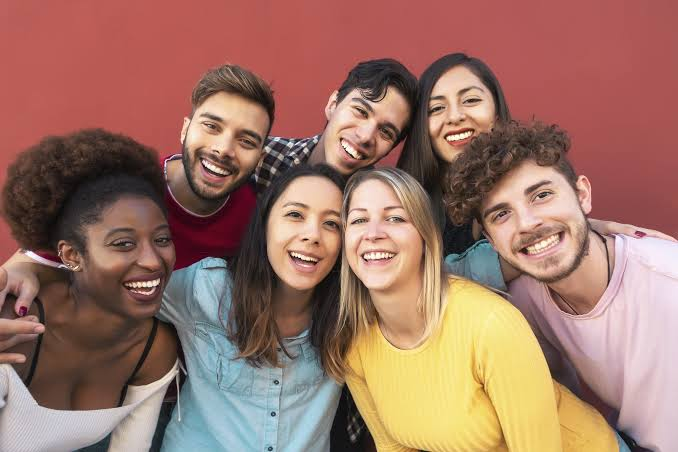
are at the people center of every part of human civilization. They create families, build communities, develop technology, preserve cultures, solve problems, and shape the future. Every individual brings unique experiences, talents, ideas, and perspectives to the world.
The strength of society depends on how treat one another. Respect, communication, education, cooperation, and kindness can help create communities where individuals have opportunities to grow and contribute.
In the end, understanding people means understanding the human connections that make life meaningful. While technology and society will continue to change, the basic importance of human relationships, compassion, cooperation, and mutual respect will remain timeless.
