
Introduction
SFM Compile is a term that can appear in different technical and software-development contexts. In general, “compile” refers to the process of converting source files or code into a format that a computer program can process or execute.
Because SFM can refer to different tools, formats, or software environments, the exact meaning of SFM Compile depends on where the term is being used. This guide explains the general concept, how compilation works, common issues, and useful troubleshooting tips.
What Is SFM Compile?
SFM Compile generally describes a compilation process involving an SFM-related project, file, or software environment. Compilation allows source material to be processed into a usable output format.
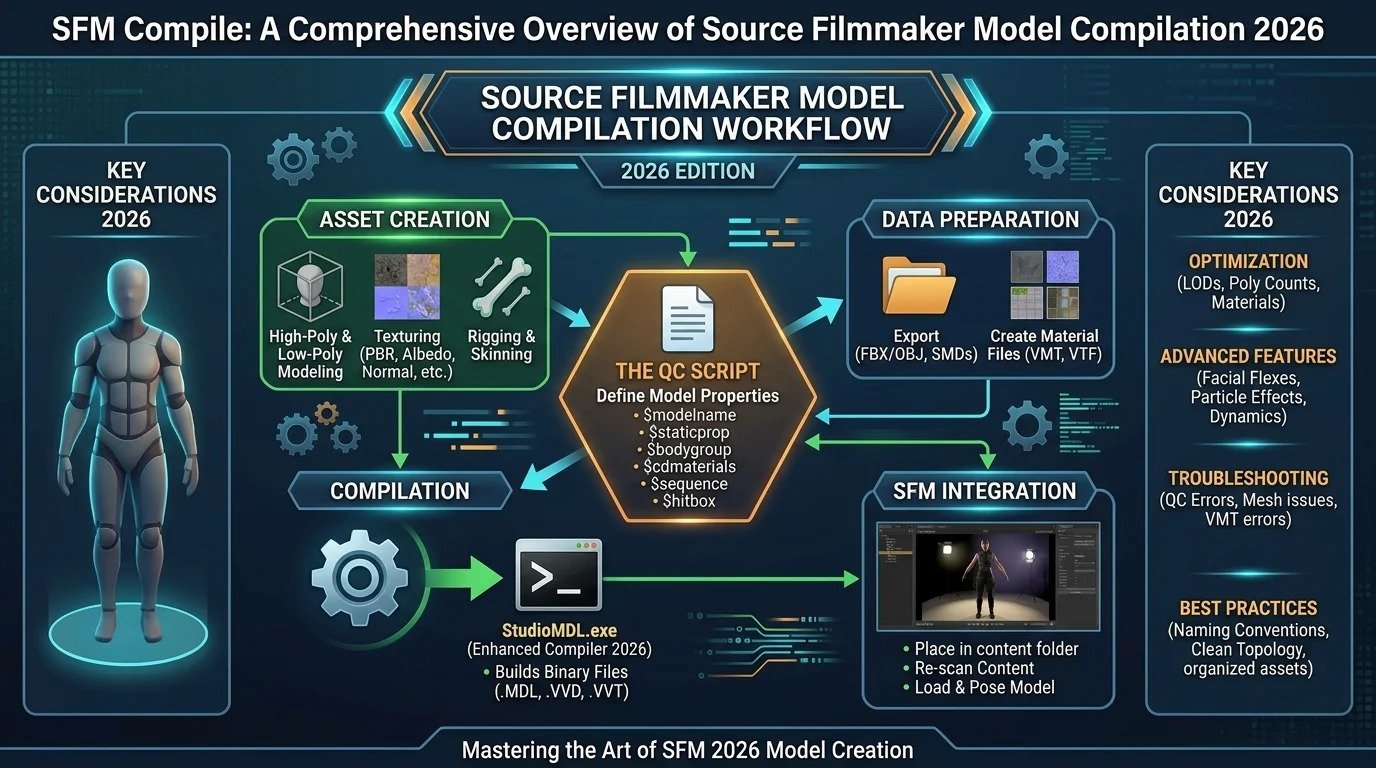
In a typical workflow, users may work with source files first and then use a compiler or build process to create the final output. The process can include checking files, identifying errors, converting data, and generating usable project files.
How Does SFM Compile Work?
Although the exact process varies by software, compilation commonly follows these steps:
- Prepare the source files – Make sure all required files are available.
- Configure the project – Select the appropriate settings and dependencies.
- Start the compilation process – The software processes the source material.
- Check for errors – The compiler reports problems that need attention.
- Generate output – Successfully processed files are converted into the required format.
- Test the result – Open or run the resulting project to make sure everything works correctly.
Why Is SFM Compile Important?
Compilation is an important part of many software workflows because it helps transform development files into usable output.
Some advantages include:
Improved Organization
A compilation workflow separates source files from generated files, making projects easier to manage.
Error Detection
Compilers can identify syntax, configuration, or dependency problems before the final output is used.
Better Performance
Depending on the software, compilation may optimize files so that applications or projects work more efficiently.
Consistent Output
A defined compilation process can help produce predictable results when the same project is built multiple times.
Common SFM Compile Problems
Users may experience errors when attempting to compile an SFM-related project. Some common causes include:
- Missing source files
- Incorrect file paths
- Unsupported file formats
- Missing dependencies
- Incorrect project settings
- Software-version incompatibility
- Syntax or configuration errors
- Insufficient permissions
The exact cause can usually be identified by reading the compiler’s error message carefully.
How to Fix SFM Compile Errors
If an SFM Compile process fails, start with the basics. Confirm that all required files exist and that the project is configured correctly.
Next, check whether the software and associated tools are compatible with the project. If the error mentions a missing file or dependency, make sure that component is installed and located where the software expects it.
It can also help to clean previously generated files and rebuild the project from scratch. However, always keep a backup of important project files before making major changes.
SFM Compile Best Practices
For a smoother compilation experience, consider these practices:
Keep Files Organized
Store source files, dependencies, and generated output in clearly organized locations.
Read Error Messages
Do not ignore compiler warnings or errors. They often provide the most useful clues for troubleshooting.
Use Compatible Versions
Make sure your SFM-related software and supporting tools are compatible with the project.
Back Up Projects
Use backups or version-control software to protect your work from accidental changes or corrupted files.
Follow Official Documentation
If SFM Compile refers to a particular program or platform, consult that product’s official documentation for exact commands and configuration requirements.
SFM Compile vs. Source Files
Source files contain the original information used to create a project, while compiled output is the processed result.
The source files are generally easier for developers or creators to modify. Compiled files, on the other hand, are intended for use by the relevant software or runtime environment.
Understanding this difference is especially useful when troubleshooting because changing the generated output may not solve an underlying problem in the original source files.
Frequently Asked Questions
What does SFM Compile mean?
SFM Compile generally refers to compiling or processing files associated with an SFM-related software environment. Its exact meaning depends on the specific application.
Why does SFM Compile show an error?
Compilation errors can result from missing files, incompatible versions, incorrect settings, unsupported formats, or problems within the source material.
How can I troubleshoot an SFM Compile problem?
Start by checking the exact error message, verifying required files and dependencies, confirming software versions, and reviewing the project’s configuration.
Is compilation the same as running a program?
No. Compilation prepares source material for use, while running or executing a program actually starts the resulting software.
Conclusion
SFM Compile can refer to a compilation process involving SFM-related software, files, or projects. While the exact procedure depends on the specific platform, the basic purpose of compilation is to process source material and create usable output.
When an SFM Compile error occurs, checking files, dependencies, configurations, software versions, and error messages is a good starting point. For precise instructions, always identify the specific SFM software or tool involved and follow its official documentation.
