
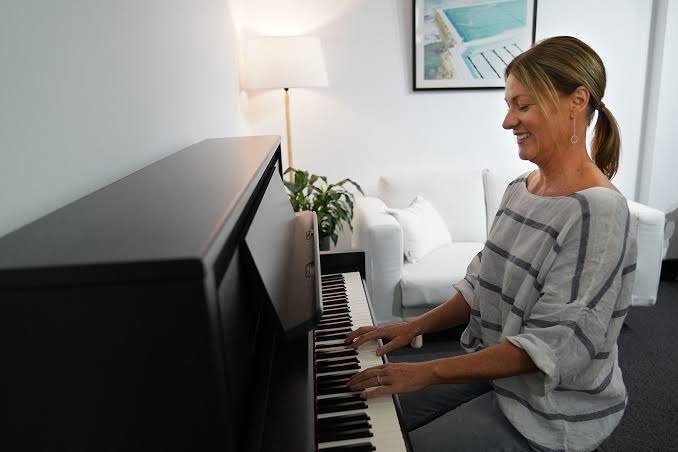
Learning how to play piano can be an exciting and rewarding experience. Whether you want to play your favorite songs, understand music theory, or eventually perform for others, the piano is an excellent instrument for beginners. With regular practice and the right approach, you can build strong skills step by step.
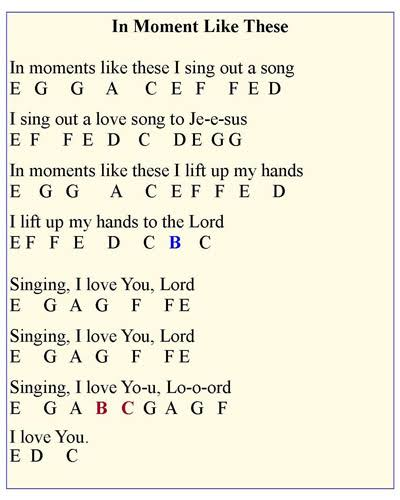
Table of Contents
- What You Need to Start
- Learn the Piano Keys
- Understand Proper Hand Position
- Learn Basic Music Notes
- Practice Simple Scales
- Learn Basic Chords
- Start Playing Simple Songs
- Develop a Regular Practice Routine
- Common Beginner Mistakes
- Tips for Learning Piano Faster
- Frequently Asked Questions
- Conclusion
What You Need to Learn Piano
The How to Play Piano first thing you need is access to a piano or electronic keyboard. A traditional piano has 88 keys, while many beginner keyboards have fewer keys and can still be useful for learning.
You should also have a comfortable place to sit and enough space to position your hands naturally. A metronome can help you develop good rhythm, although many digital keyboards and piano apps include one.
1. Learn the Piano Keys
Understanding the keyboard is one of the first steps in learning piano.
The white keys are named:
C, D, E, F, G, A, and B.
This pattern repeats across the keyboard.
The black keys areHow to Play Piano arranged in groups of two and three. You can use these groups to quickly identify notes. For example, the C key is immediately to the left of every group of two black keys.
Spend a few minutes finding different C, D, E, F, G, A, and B notes until the keyboard starts to feel familiar.
2. Use the Correct Hand Position
Good technique is important from the beginning.
Sit comfortably with your back relatively straight and your shoulders relaxed. Keep your wrists relaxed and position your fingers over the keys with a natural curve.
Avoid keeping your fingers completely flat or pressing the keys harder than necessary.
Most piano exercises use numbered fingers:
- 1 = Thumb
- 2 = Index finger
- 3 = Middle finger
- 4 = Ring finger
- 5 = Little finger
Learning these numbers will make beginner exercises and sheet music instructions easier to understand.
3. Learn Basic Piano Notes
Once you know the keys, start learning basic musical notation.
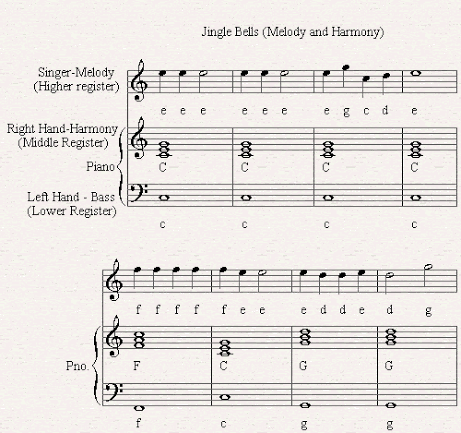
Music is written on a staff consisting of five lines and four spaces. Piano music commonly uses two staffs: the treble clef and bass clef.
How to Play Piano You do not need to memorize everything immediately. Begin by learning where common notes appear and gradually increase your music-reading skills.
If reading sheet music feels overwhelming, you can initially learn simple songs by following note names or beginner tutorials.
What You Need to Start
Before learning how to play piano, you need access to a piano or keyboard. A full-size piano has 88 keys, but beginners can also start with a quality electronic keyboard.
You should also have a comfortable bench or chair and enough space to sit with your arms and hands positioned naturally. A metronome can be helpful for developing a steady rhythm.
Learn the Piano Keys
The first step is becoming familiar with the keyboard.
The piano has white and black keys. The white keys are named:
C, D, E, F, G, A, and B.
This pattern repeats across the keyboard. The black keys are grouped in sets of two and three, which makes it easier to identify different notes.
A useful beginner trick is to find every C on the keyboard. C is the white key immediately to the left of a group of two black keys.
Understand Proper Hand Position
Good posture and hand position can make piano playing more comfortable.
Sit in the middle of the keyboard with your back relatively straight and your shoulders relaxed. Keep your elbows comfortable and allow your wrists to remain relaxed.
Your fingers should have a gentle curved shape rather than being completely flat. Avoid pressing the keys with unnecessary force.
Learn Basic Music Notes
Understanding simple musical notation can help you learn songs more efficiently.
The notes are represented on musical staffs using symbols called note heads. Their position tells you which note to play, while the shape of the note can indicate how long it should be held.
Beginners should first learn to recognize basic notes and rhythms before moving into more complicated notation.
Practice Simple Scales
Scales are groups of notes arranged in ascending or descending order. The C major scale is often one of the first scales beginners learn because it uses only the white keys:
C – D – E – F – G – A – B – C
Practice playing the scale slowly and evenly. Focus on accuracy rather than speed.
Learn Basic Chords
Chords allow you to play several notes together and are extremely useful for accompanying songs.
Some common beginner chords include:
- C major
- F major
- G major
- A minor
- D minor
- E minor
Once you learn a few basic chords, you can begin playing simple chord progressions and accompanying melodies.
Start Playing Simple Songs
After learning basic notes and chords, choose easy songs that match your skill level.
Start with simple melodies rather than difficult pieces. Practice each section slowly and repeat it until your fingers become comfortable with the notes.
You can gradually increase the tempo once you can play the section accurately.
Develop a Regular Practice Routine
Consistent practice is more important than practicing for many hours once in a while.
A beginner might start with 15–30 minutes of practice per day. A simple routine could include:
- Five minutes of finger exercises.
- Five minutes of scales.
- Ten minutes of chords or music reading.
- Ten minutes practicing a song.
As your skills improve, you can increase your practice time.
Common Beginner Mistakes
When learning how to play piano, beginners often make a few common mistakes.
Playing Too Fast
Trying to play a song at full speed immediately can lead to mistakes. Practice slowly and increase your speed gradually.
Ignoring Rhythm
Correct notes are important, but rhythm is equally important. Use a metronome when necessary to develop consistent timing.
Using Too Much Force
You do not need to hit the keys aggressively. Relax your hands and use controlled movements.
Practicing Without a Plan
Random practice can make progress slower. Set a small goal for every session and focus on improving one skill at a time.
Tips for Learning Piano Faster
If you want to make steady progress, keep your practice sessions focused.
Practice regularly: Even short daily sessions can be effective.
Learn songs you enjoy: Playing music you like can keep you motivated.
Use a metronome: It can help improve timing and rhythm.
Practice difficult sections separately: You do not always need to play an entire song from beginning to end.
Record yourself: Listening to your playing can help you notice mistakes you may not recognize while playing.
Be patient: Piano skills develop gradually. Do not expect to master difficult pieces immediately.
Frequently Asked Questions
How long does it take to learn piano?
The time required varies from person to person. With consistent practice, beginners can often play simple melodies and songs within a few weeks or months.
Can I learn piano without a teacher?
Yes. Many people learn piano through books, online lessons, tutorials, and structured practice. However, a qualified teacher can provide personalized feedback and help correct technique problems.
Is piano difficult to learn?
The basics of piano can be learned relatively quickly, but becoming highly skilled requires regular practice. The difficulty depends on the type of music you want to play.
How often should a beginner practice piano?
Daily practice is ideal. Even 15–30 minutes a day can help you build consistency and improve your skills.
Conclusion
Learning how to play piano is a journey that combines practice, patience, and creativity. Start by learning the keys, developing proper hand position, understanding basic notes, practicing scales and chords, and gradually working on simple songs.
You do not need to become an expert immediately. Focus on making small improvements every day, and over time, you can develop the confidence and skills needed to play the music you enjoy.
