
SEO Title: Anxious Avoidant Attachment: 10 Signs, Causes, and Effective Ways to Heal
Meta Description: Learn what anxious avoidant attachment is, its signs, causes, and how it affects relationships. Discover practical tips to build healthier emotional connections.
Anxious Avoidant Attachment: Understanding the Push-Pull Dynamic
Relationships can be rewarding, but they can also become confusing when attachment styles influence how people connect. One of the most challenging relationship patterns is anxious avoidant attachment. This dynamic often creates a cycle where one person craves closeness while the other withdraws, leaving both partners frustrated and emotionally exhausted.
Understanding anxious avoidant attachment can help you recognize unhealthy patterns and develop stronger, more secure relationships.
What Is Anxious Avoidant Attachment?
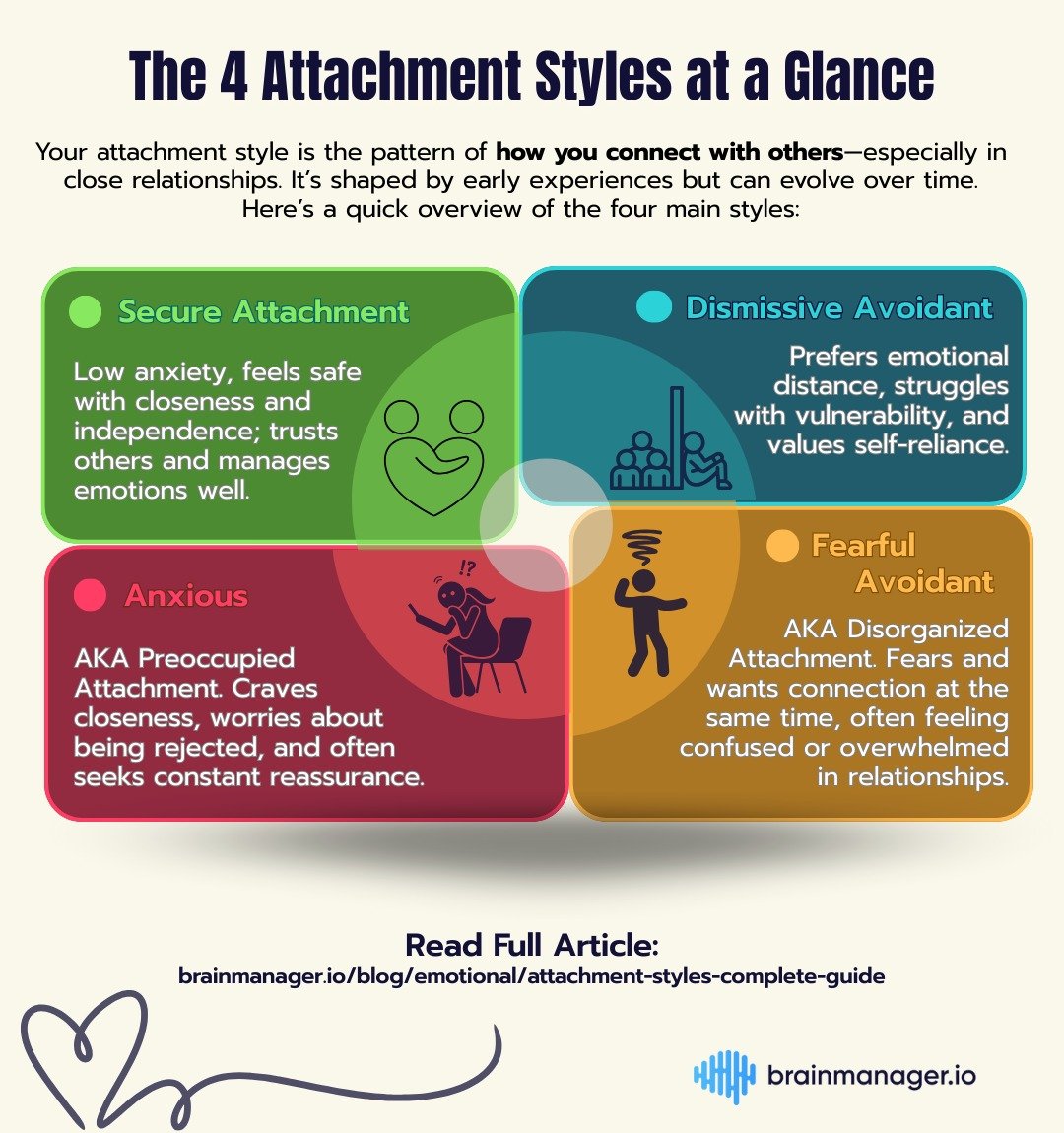
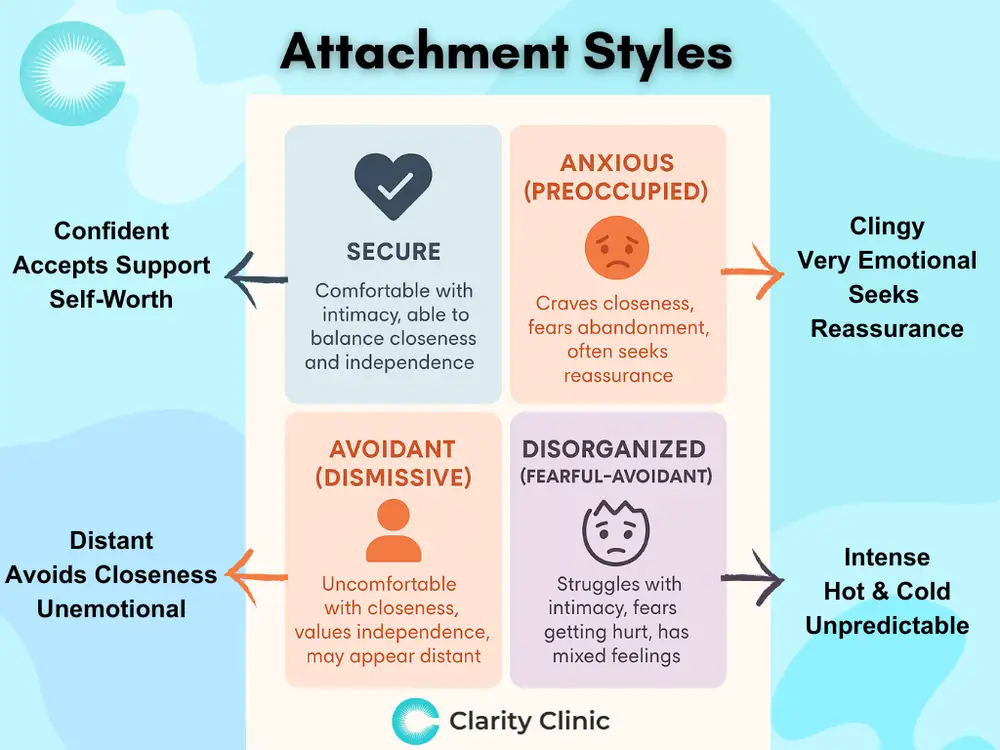
Anxious avoidant attachment describes a relationship dynamic involving two different attachment styles:
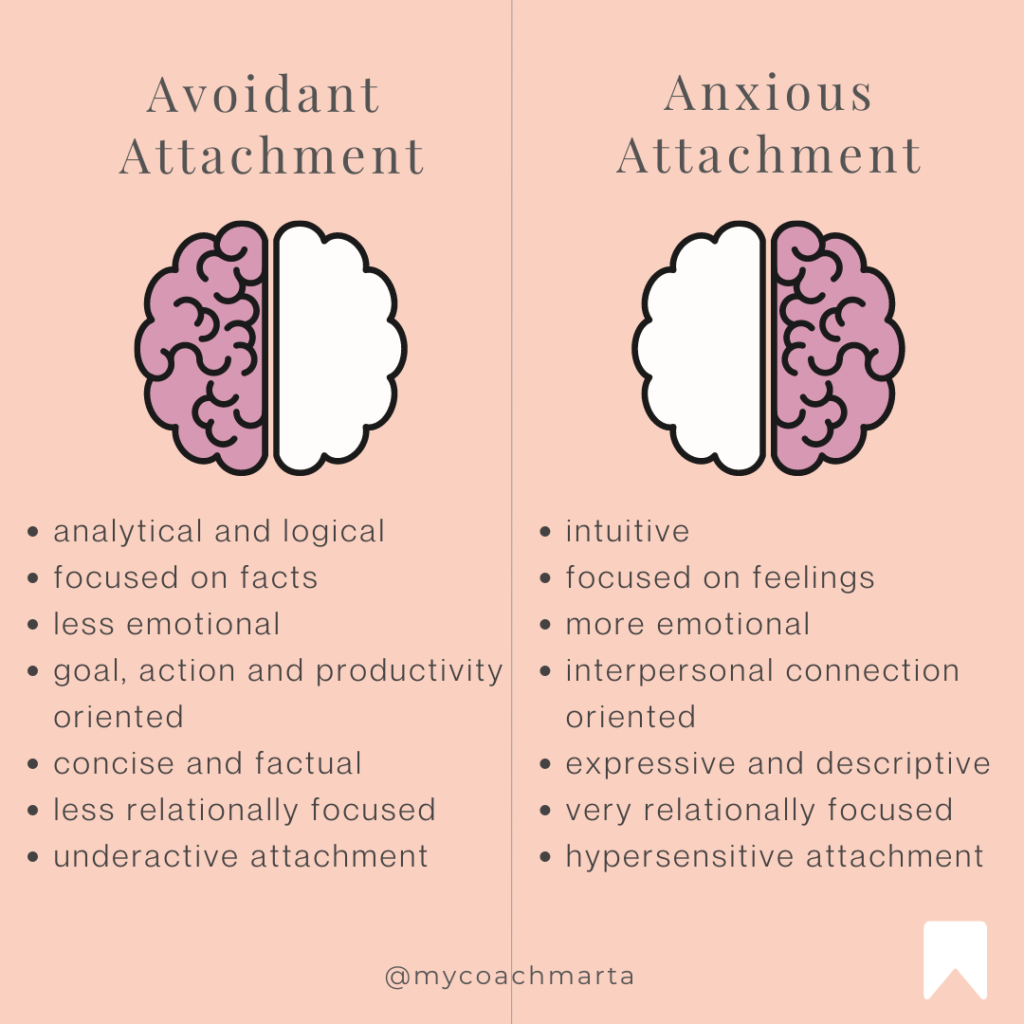
- Anxious attachment: A person seeks constant reassurance, fears rejection, and worries about losing the relationship.
- Avoidant attachment: A person values independence, feels uncomfortable with emotional closeness, and often pulls away when relationships become too intimate.
When these two styles interact, they often create a “push-pull” cycle that can be difficult to break.
10 Common Signs of Anxious Avoidant Attachment
Recognizing the signs is the first step toward healthier relationships.
1. Constant Need for Reassurance
The anxious partner frequently seeks validation and worries about the relationship.
2. Emotional Withdrawal
The avoidant partner distances themselves during emotional conversations.
3. Fear of Abandonment
People with anxious attachment often overthink small changes in communication.
4. Difficulty Expressing Feelings
Avoidant individuals may avoid discussing emotions altogether.
5. Mixed Signals
One partner wants closeness while the other creates distance.
6. Frequent Misunderstandings
Different emotional needs can lead to recurring arguments.
7. Hot-and-Cold Behavior
Periods of intimacy are often followed by emotional distance.
8. Conflict Avoidance
The avoidant partner may ignore problems instead of resolving them.
9. Overanalyzing Messages
The anxious partner may read too much into texts, calls, or social media activity.
10. Emotional Exhaustion
Both partners may feel drained from repeating the same unhealthy cycle.
What Causes Anxious Avoidant Attachment?
Attachment styles usually develop during childhood but can also be influenced by later life experiences.
Common causes include:
- Inconsistent caregiving
- Emotional neglect
- Childhood trauma
- Fear of rejection
- Past relationship disappointments
- Lack of emotional safety
These experiences shape how people view trust, intimacy, and emotional security.
How Anxious Avoidant Attachment Affects Relationships
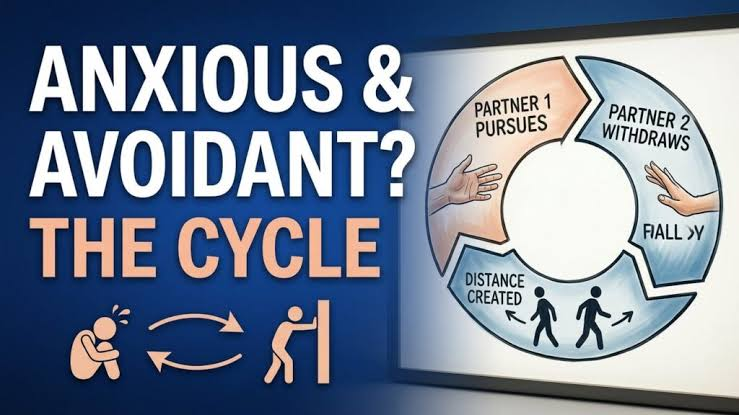
The anxious avoidant attachment cycle often follows a predictable pattern:
- The anxious partner seeks closeness.
- The avoidant partner feels overwhelmed.
- The avoidant partner withdraws.
- The anxious partner pursues even more.
- Conflict increases.
- Both partners become emotionally disconnected.
Without awareness, this cycle can repeat for months or even years.
Can Anxious Avoidant Attachment Be Changed?
Yes. Attachment styles are not permanent. With self-awareness, healthy communication, and consistent effort, people can develop more secure relationship habits.
Growth takes time, but positive change is possible.
How to Heal Anxious Avoidant Attachment
Practice Self-Awareness
Notice your emotional triggers before reacting.
Improve Communication
Speak openly about your needs without blaming your partner.
Build Trust Gradually
Healthy relationships develop through consistent actions over time.
Respect Boundaries
Both partners need emotional space while maintaining connection.
Manage Anxiety
Deep breathing, mindfulness, journaling, and regular exercise can help reduce emotional overwhelm.
Consider Professional Support
A qualified therapist can help identify unhealthy attachment patterns and teach healthier coping strategies.
Tips for Partners
If you’re dating someone with anxious or avoidant tendencies:
- Listen without judgment.
- Be honest and consistent.
- Avoid playing emotional games.
- Respect personal boundaries.
- Reassure each other through actions as well as words.
- Focus on teamwork rather than winning arguments.
Frequently Asked Questions
Is anxious avoidant attachment toxic?
Not necessarily. The dynamic can become unhealthy if both partners remain stuck in the push-pull cycle, but awareness and effort can improve the relationship.
Can anxious and avoidant partners have a successful relationship?
Yes. Many couples build healthy, lasting relationships by improving communication, increasing emotional understanding, and working toward secure attachment behaviors.
How long does it take to heal anxious avoidant attachment?
There is no fixed timeline. Progress depends on self-awareness, willingness to change, relationship dynamics, and, for some people, professional support.
What is a secure attachment style?
Secure attachment involves trusting others, communicating openly, respecting boundaries, and feeling comfortable with both closeness and independence.
Final Thoughts
Understanding anxious avoidant attachment is the first step toward healthier, more fulfilling relationships. While the anxious-avoidant cycle can feel overwhelming, it does not have to define your future. By recognizing attachment patterns, improving communication, and practicing emotional awareness, individuals and couples can create stronger, more secure connections over time.
Whether you identify with anxious attachment, avoidant attachment, or have experienced this relationship dynamic, growth is possible through patience, consistency, and a commitment to healthier relationships.
