
Introduction
Pollution is one of the biggest environmental challenges facing the world today. It affects the air we breathe, the water we drink, and the land we depend on for food and shelter. Rapid industrialization, urbanization, and population growth have significantly increased pollution levels, making it a global concern that requires immediate attention.
In this article, you’ll learn about the different types of pollution, their causes, harmful effects, and practical solutions that individuals, businesses, and governments can implement to protect the environment.
What Is Pollution?
Pollution is the introduction of harmful substances or contaminants into the environment that negatively affect living organisms and natural ecosystems. These contaminants may be solid, liquid, or gaseous and can originate from both human activities and natural events.
Although natural disasters such as volcanic eruptions can contribute to pollution, human activities remain the primary cause.
Types of Pollution
1. Air Pollution
Air pollution occurs when harmful gases, smoke, dust, and chemicals contaminate the atmosphere.
Common Causes
- Vehicle emissions
- Industrial smoke
- Burning fossil fuels
- Forest fires
- Agricultural activities
Effects
- Respiratory diseases
- Climate change
- Acid rain
- Reduced air quality
- Damage to crops and wildlife
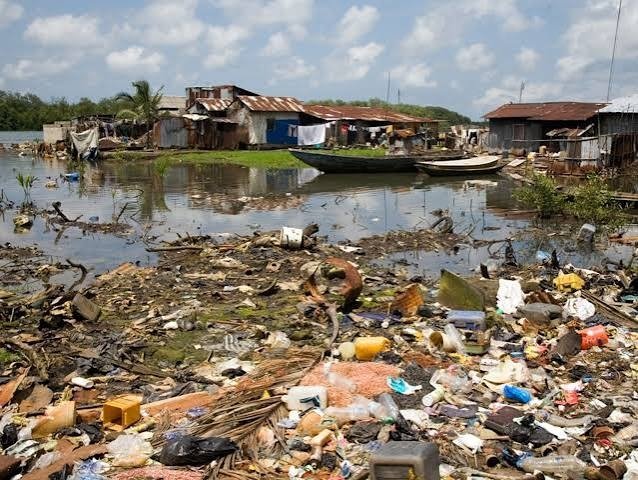
2. Water Pollution
Water pollution happens when rivers, lakes, oceans, and groundwater become contaminated.
Major Sources
- Industrial waste
- Oil spills
- Plastic waste
- Agricultural runoff
- Untreated sewage
Consequences
- Unsafe drinking water
- Death of aquatic life
- Spread of waterborne diseases
- Damage to marine ecosystems
3. Land Pollution
Land pollution results from improper disposal of waste and excessive use of chemicals.
Causes
- Plastic waste
- Landfills
- Industrial dumping
- Mining activities
- Excessive pesticide use
Effects
- Soil degradation
- Reduced agricultural productivity
- Habitat destruction
- Contaminated groundwater
4. Noise Pollution
Noise pollution is caused by excessive or unwanted sounds that disturb daily life.
Sources
- Traffic
- Construction work
- Factories
- Loudspeakers
- Airports
Health Impacts
- Stress
- Hearing loss
- Sleep disorders
- Reduced concentration
5. Light Pollution
Light pollution refers to excessive artificial lighting that disrupts natural ecosystems and human health.
Effects
- Disturbed wildlife
- Sleep disruption
- Increased energy consumption
- Reduced visibility of the night sky
Major Causes of Pollution
Several human activities contribute significantly to pollution:
- Industrial manufacturing
- Vehicle emissions
- Deforestation
- Plastic waste
- Improper waste disposal
- Burning coal, oil, and natural gas
- Agricultural chemicals
- Rapid urban development
Effects of Pollution on Human Health
Pollution has serious health consequences, including:
- Asthma and lung diseases
- Heart disease
- Cancer risks
- Allergies
- Weakened immune systems
- Neurological disorders
- Premature deaths
Children, older adults, and people with existing health conditions are especially vulnerable.
Environmental Impact of Pollution
Pollution damages ecosystems in many ways:
- Climate change
- Global warming
- Loss of biodiversity
- Ocean contamination
- Soil erosion
- Forest degradation
- Wildlife extinction
- Reduced crop production
These environmental changes threaten both nature and future generations.
How to Reduce Pollution
Everyone can help reduce pollution through simple actions:
Reduce Plastic Use
Choose reusable bags, bottles, and containers instead of single-use plastics.
Save Energy
Turn off unused appliances and use energy-efficient devices.
Use Public Transportation
Walking, cycling, or using public transport reduces vehicle emissions.
Plant More Trees
Trees absorb carbon dioxide and improve air quality.
Recycle and Reuse
Separate recyclable materials and reduce household waste.
Dispose of Waste Properly
Avoid littering and use designated recycling and waste disposal facilities.
Support Renewable Energy
Solar, wind, and hydroelectric power reduce dependence on fossil fuels.
Government and Business Responsibilitie
Governments and companies also play an essential role by:
- Enforcing environmental regulations
- Investing in clean energy
- Improving waste management systems
- Promoting sustainable manufacturing
- Reducing industrial emissions
- Encouraging green technologies
- Educating the public about environmental conservation
Why Pollution Awareness Matters
Understanding pollution helps individuals make environmentally responsible decisions. Education encourages communities to adopt sustainable habits and support policies that protect natural resources.
Small changes made by millions of people can create a significant positive impact.
Conclusion
Pollution is a global issue that affects human health, wildlife, and the environment. While industrial activities and population growth continue to increase pollution levels, practical solutions are available. By reducing waste, conserving energy, supporting clean technologies, and adopting sustainable lifestyles, everyone can contribute to a cleaner and healthier planet.
Protecting the environment starts with individual responsibility, and every positive action brings us one step closer to a pollution-free future.
Frequently Asked Questions (FAQs)
What is pollution?
Pollution is the contamination of the environment by harmful substances that negatively affect humans, animals, plants, and ecosystems.
What are the main types of pollution?
The five main types are air pollution, water pollution, land pollution, noise pollution, and light pollution.
What causes pollution?
Major causes include industrial emissions, vehicle exhaust, plastic waste, deforestation, fossil fuel combustion, and improper waste disposal.
How does pollution affect human health?
Pollution can lead to respiratory illnesses, heart disease, allergies, cancer, and other serious health problems.
What can individuals do to reduce pollution?
People can reduce pollution by recycling, conserving energy, planting trees, using public transportation, avoiding single-use plastics, and properly disposing of waste.
