

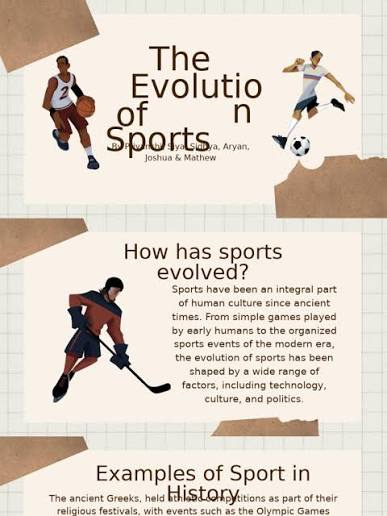
The Evolution of Sports have always been an important part of human culture, bringing people together through competition, teamwork, and passion. From ancient Olympic games to modern international tournaments, sports have evolved significantly while maintaining their core purpose: entertainment, physical excellence, and unity.
The Importance of Sports in Society
Sports play a major role in promoting a healthy lifestyle and encouraging people to stay physically active. Regular participation in sports helps improve fitness, mental health, discipline, and confidence. Whether it is football, basketball, cricket, tennis, or athletics, every sport teaches valuable lessons about teamwork, dedication, and perseverance.
Beyond physical benefits, sports also create social connections. Fans from different countries and cultures come together to support their favorite teams and athletes. Major sporting events such as the Olympics, FIFA World Cup, and international cricket tournaments attract millions of viewers worldwide, showing the powerful influence of sports.
Technology Changing Modern Sports
Technology has transformed the way sports are played, watched, and analyzed. Advanced training equipment, performance tracking systems, and video analysis tools help athletes improve their skills and prevent injuries.
In many sports, technologies such as video assistant referees (VAR), goal-line technology, and instant replays have improved decision-making and fairness. Fans can now enjoy live matches from anywhere in the world through digital platforms and streaming services.
The Rise of Young Athletes
Young athletes are becoming an important part of the future of sports. With better training facilities and opportunities, many talented players are achieving success at an early age. Sports academies and youth programs help develop skills while teaching important values like teamwork and responsibility.
Successful athletes often inspire younger generations to follow their dreams and work hard to achieve their goals. Their stories of dedication and overcoming challenges motivate millions of people around the world.
The Global Impact of Sports
Sports have the ability to create positive change beyond the playing field. Many athletes use their influence to support charitable causes, promote equality, and encourage communities to become more active.
International sporting events also contribute to tourism, economic growth, and cultural exchange. Countries hosting major competitions often showcase their traditions and attract visitors from around the globe.
The Future of Sports
The future of sports looks more exciting than ever. With advancements in technology, increased global participation, and growing interest among younger generations, sports will continue to expand.
New sports, innovative formats, and digital experiences are changing how people engage with athletics. However, the true spirit of sports will always remain the same: competition, respect, teamwork, and the joy of achievement.
The Rise of Modern Sports
The Industrial Revolution in the 18th and 19th centuries transformed sports significantly. Increased urbanization, improved transportation, and more leisure time allowed organized sporting events to flourish. Schools and universities began establishing standardized rules, making competitions fairer and more structured.
During this era, many popular sports received official regulations, including:
- Football (Soccer)
- Cricket
- Rugby
- Tennis
- Baseball
National and international governing bodies were also formed to oversee competitions and maintain consistent standards.
The Social and Economic Impact of Sports
The Evolution of Sports play a vital role beyond entertainment. They contribute significantly to national economies through job creation, infrastructure development, tourism, sponsorships, and media rights.
Socially, sports promote:
- Teamwork
- Leadership
- Discipline
- Physical fitness
- Mental well-being
- Cultural unity
- International friendship
Major sporting events often inspire future generations while bringing communities together.
Challenges Facing Modern Sports
The Evolution of Sports Despite remarkable progress, sports continue to face several challenges, including:
- Doping and performance-enhancing drugs
- Match-fixing and corruption
- Athlete mental health concerns
- Financial inequality among clubs and athletes
- Environmental impact of large sporting events
Addressing these issues is essential for maintaining the integrity and sustainability of sports worldwide.
Conclusion
The Evolution of Sports are much more than games; they are a powerful force that connects people worldwide. They teach important life lessons, promote health, and create unforgettable moments. As sports continue to evolve, they will remain an essential part of global culture for generations to come.From ancient survival activities to sophisticated international competitions, sports have continuously adapted to changing cultures, technologies, and societal values. As innovation continues to shape the future, sports will remain a powerful force for bringing people together, promoting healthy lifestyles, and inspiring excellence across generations.
